
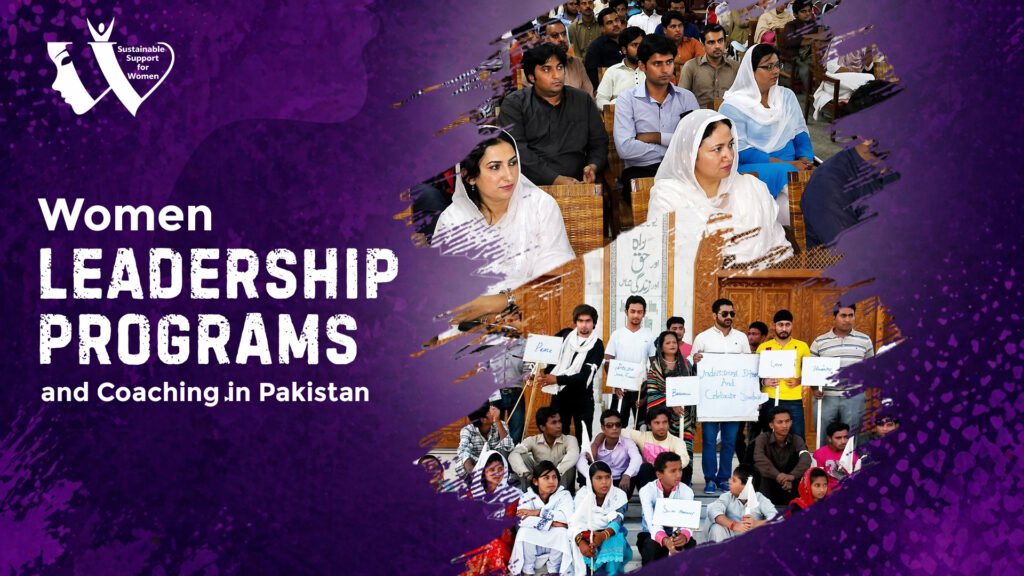
Imagine a council meeting in a small town in Punjab. Twelve chairs, twelve empty spaces. Eleven men. One woman. Stuck right at the end, meticulously organized file in front of her, confident notes in her hand, never once called upon.
The message is unmistakable .This is not some anomaly, This is Tuesday in Pakistan.
And yet something is happening. In slow, imperfect, unmistakable ways Pakistani women are making their way toward the table. Not simply taking seats at the end of it. This is the story of that movement, elections, reserved seats, and a new form of women’s leadership in Pakistan, finally able to take full form.
The Gender Gap in Pakistani Politics: A Leadership Crisis
In general, when you ask anyone about women empowerment programs in Pakistan, they will usually talk about education, health and microfinance. Politics? Very rarely.
There’s the difference:
Today you’ve realized that any policy that impacts a woman’s life, her security, salary, inheritance, and the healthcare she receives is being drafted in a room. And if the woman who you know doesn’t tell you about it isn’t there, somebody else will.
Women’s road to leadership is not just a professional skill. It is a political requirement.
Where Pakistan Actually Stands: The Numbers
Pakistan’s constitution guarantees 17% of the seats in the National Assembly for women through a quota system. On paper that sounds like progress. But if you take a closer look, you’ll see:
- The 336 seats available in the National Assembly are held by roughly 70 women (mostly through reserved seats, not directly elected ones).
- Fewer than 10 women secured seats in the 2024 general elections through direct constituency promotion.
At the state government level where the daytoday implementation of the state actually takes place female political participation in Pakistan continues to be dismally low, frequently through 5% in real contestation. The gender gap in Pakistani politics is not just a statistic but a structural barrier.
Reserved Seats: Safety Net or Ceiling?
The reserved seats were good also to make sure that women had
some in Parliament and therefore did free up some space for women. However they also made an easy ceiling. If women get in through a party quota, not a voter mandate, they often operate with borrowed power .
They are in office for the party, not as a representative of the people. It influences their expression, their challengers, and their command.
Real women leadership in Pakistan will truly blossom when women are entering the national assembly on their own campaigns through gaining vote banks,going door-to-door and taking charge of their political persona.
What we’re aiming to change is organizations such as SSW Sustainable Support for Women PakistanWhere women are not simply put in rooms but are made comfortable to own the room.
What's Blocking the Ballot?
So why is the level of electoral participation in the direct race so low? For me the answer is complex.
1. The Family Permission Barrier
In several regions of Pakistan, even to be registered as a candidate, a woman requires informal (in some cases formal) family consent. Her decision to stand for election is considered as a family decision.
2. Lack of Campaign Finance
Politics costs money. Without funds or financial networks from which to draw, female aspirants are outspent long before the first factional slates have been posted.
3. No Mentorship Pipeline
Men who get involved in politics tend to have ancestors, fathers, uncles, seniors in the party guiding them. Women often have no one. It is this gap that women’s leadership development programs fill with the kind of mentorship ecosystem that never existed.
4. The Credibility Tax
Men are evaluated based on their plans. Women are evaluated based on their character, looks, family, and ability to “fit in.” It’s so tiring, and it loses votes.
5. Violence and Harassment
Campaigns = Public exposure. For women in conservative environments, that exposure has very tangible risks of online abuse, social rejection and physical danger.
The Leaders Who Pushed Anyway
Let’s not turn this into an obstacle story. Take it from me, Pakistani women have been trailblazing in politics for the last three decades.
Fatima Jinnah fought a military dictator and rallied a nation. Benazir Bhutto became the premier of the first Muslim majority country twice. Hina Rabbani Khar acted as Pakistan’s top diplomat on the world stage with a trenchant edge that directed even the sturdiest diplomat into boredom.
And outside the grand national stage? Hundreds of women at district and union council levels who face obstacles orphaned, at home and abroad, say whatever and win .
They represent more than their Assembly Districts. They are an example of what can happen when women’s leadership skills are intentionally built and given support.
What Real Leadership Development Looks Like
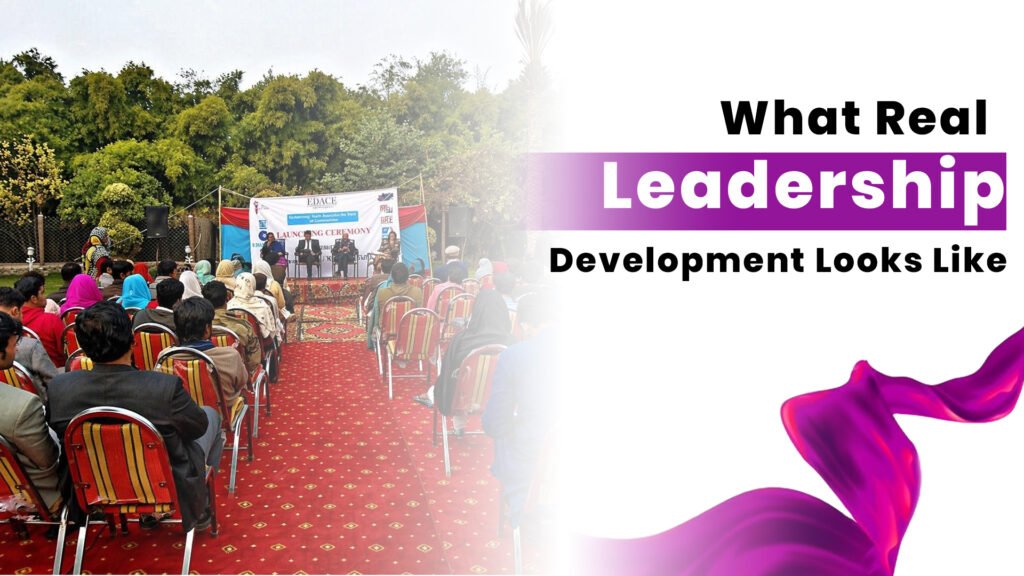
This is where SSWs approach just hits the mark. Women leadership programs that do truly move the needle aren’t workshops about confidence, girlfriends or inspiring speeches. They involve real political infrastructure.
That means:
Policy literacy including how to read legislation, timeframes of budget cycles, and ways to use parliamentary tools such as the question, objection, minority report etc.
- Campaign training, media handling, public speaking, reaching the voters, digital presence.
- Legal knowledge understanding your rights both as a candidate and as an elected official
- Mentorship networks linking future leaders with women who have previously traveled the road.
- AI coaching for women leadership: leverage intelligent devices to have debates, generate speech analysis information and customize one’s progress feedback
This isn’t the futureit’s here. Online women empowerment programs in Pakistan that are using virtual tools and platforms are already adopting AI tools to help them practice public speaking, test their messages and simulate hostile questioning climate and that traditional training can’t do.
The Local Government Opportunity Nobody Talks About
Here’s a reality often lost in the grandiose rhetoric of women in politics in Pakistan that it’s local government where the real impact can be seen.
The woman who sits on her union council makes decisions about local roads, water supplies, public health units and school repairs. She may not be in the newspapers but she’s affecting the lives of thousands of people who see her every day.
This is the practice range. And it is where Pakistan’s women in politics can amass the track record, gain the visibility, and earn the trust of voters so they can enter provincial and national office.
This is exactly where the efforts of SSW’s leadership programs are targeted, building up the pipeline that begins at the bottom, rather than developing leadership at the top.
Changing the Culture, Not Just the Law
Laws can reserve seats. Quotas can provide presence. Culture alone can let a woman be heard once she gets there.
Pakistan requires both a substantial reworking of laws and another cultural shift. That cultural shift begins with narrative; with what we tell children about leader embodiment; with how media portray women politics; with how families affirm a daughter’s political ambitions just like sons.
Women-focused leadership opportunities in Pakistan such as SSW also form part of this reprogramming of providing tangible role models, of weaving different narratives and making it unremarkable for a little girl in Multan or Quetta to look up at a screen and say, “I want to do that“.
The Road Ahead
Pakistan is committed to female gender equality both internationally, through ratification of several International agreements, and constitutionally through courts.We have women inspired and ready to take the international and national lead!
What’s missing in consistent, long-term investment into their journey to leadership from grassroots organizing on the ground to the palace!
This gender gap will not disappear after one election. But it will disappear. And it will do so more rapidly if institutions, families, political parties, and organizations stop viewing women’s political role as a gift to be handed out, and instead recognize it as the essential building block of any viable democracy.
SSW is dedicated to empowering Women and transforming communities across Pakistan. Through education, leadership development and access to opportunities, We support women and youth in building independent, confident futures free from fear and discrimination.
Stand with Us. When women rise, communities thrive – take the first step with SSW today 💜